Ashley is the eldest daughter of Caribbean immigrants who meticulously and sacrificially raised her — to be whip-smart, ceaselessly poised, and ruthlessly independent.
So she was. She was accepted to university at 16; was the first in her family to earn a degree; began earning six-figure salaries at 26; and celebrated a decade of marriage at 34. She is her ancestor’s wildest (American) dream, save for all that keeps her awake:
Crippling student debt. Cancer recurrence. Environmental degradation. AI. Genocide. Protests, hashtags, memorials.
Ashley is tired.
But she’s most exhausted by outrageous inquiries about — wait, surely that can’t be right — having children?! In this economy? Given the current maternal healthcare hellscape? With her melanin as an inheritable trait and target for violence, injustice, and neglect?
Since she took her first steps, she’s been taught that no one was coming to save her. But she could not reconcile bringing a child into the social, environmental, and political calamity she’s still working so hard to survive. Perhaps the key to her survival — more, her thriving — is sacrificing motherhood altogether. Perhaps a childfree future is her forty acres and a mule.
Thrillingly, her choice to be childfree has felt like a form of reparations — it has afforded her respite and opportunity she wouldn’t have otherwise. Without the responsibilities of a child, she’s nurtured her cherished marriage, invested in her health and retirement like never before, founded a co-living community, a business, and, in a lifelong dream, moved to Europe.
Part memoir and part manifesto, But You’d Be Such a Good Mother is a love letter to every overachieving Black and Brown woman burdened with the dreams of those who came before them, and affirmation for every woman facing unrelenting pressure to mother within a system devoid of support for them.
But you’d be such a good mother
A memoir-manifesto by Ashley Strahm
You can trust me to tell good stories because I’ve lived them.
✨ Cancer survivor
✨ Ex-rugby player
✨ Jersey girl turned Portuguese resident
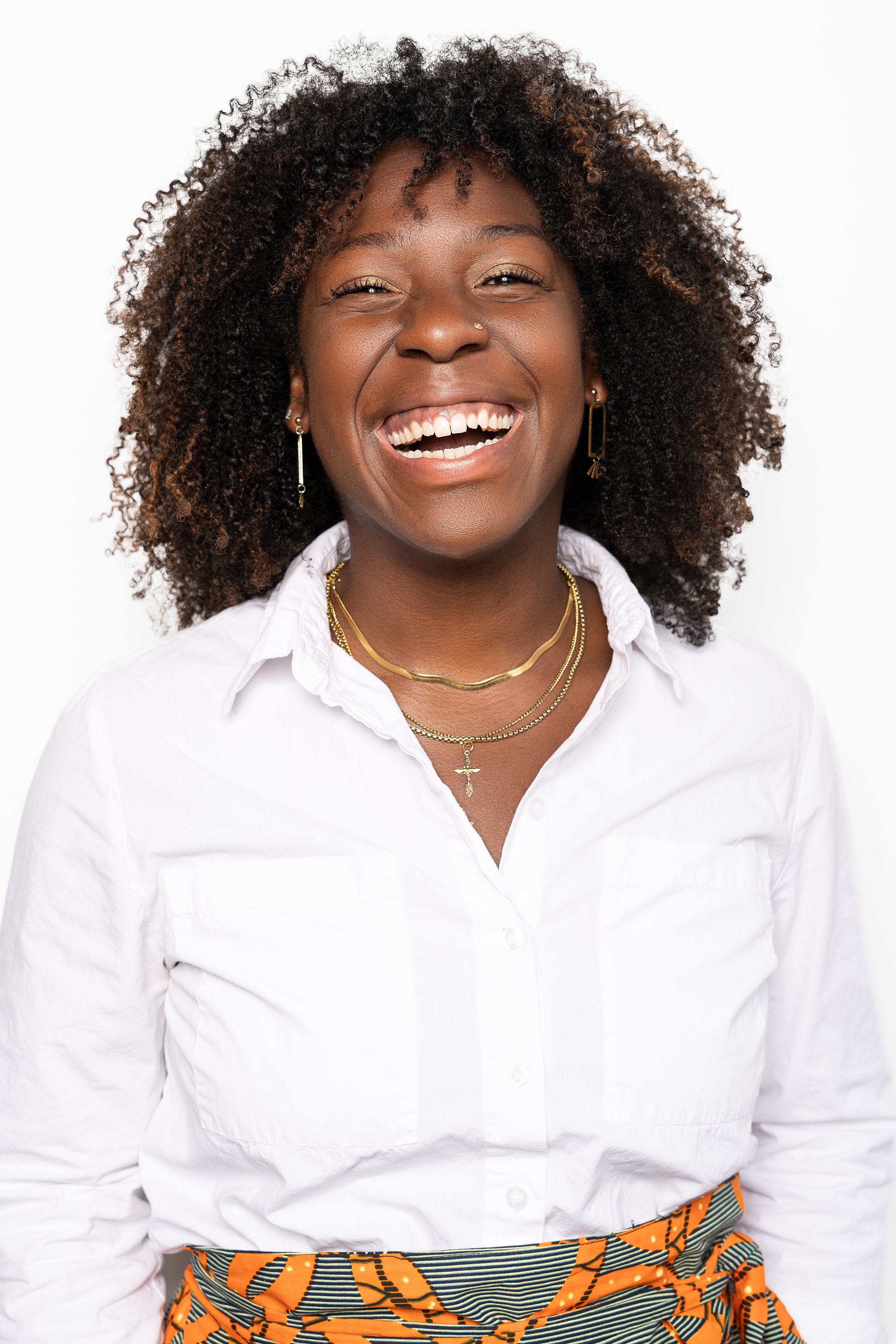
Ashley Strahm is a journalist, writer, and entrepreneur whose work has been featured in The New York Times, Forbes, NPR, and USA Today, among other publications. A speaker and community cultivator, she has stewarded a following of thousands on LinkedIn and Substack, where she discusses topics that honor the experiences of immigrants and marginalized communities. She and her husband live in Lisbon, Portugal.
A platform bound to make this book a success
LinkedIn followers: 4,861 | Substack subscribers: 2,176; 183,000 views
Media Appearances: The Price Is Right, NPR (Embodied), The New York Times, Forbes, Business Insider | Podcast appearances: Matter of Life and Debt, The Advisors Will See You Now, Expressions
NETWORK + MEDIA APPEARANCESWithout Children: The Long History of Not Being a Mother, Peggy O'Donnell Heffington
Motherhood, Sheila Heti
The Sex Lives of African Women, Nana Darkoa Sekyiamah
Others Like Me: The Lives of Women Without Children, Nicole Louie
We Live for the We: The Political Power of Black Motherhood, Dani McClain
COMPARABLE TITLESBut You'd Be Such a Good Mother sits at the intersection of personal narrative and cultural criticism. I am the product of a privileged, loving, intentional upbringing, yet my decision against motherhood was born of a clear-eyed assessment: of American maternal healthcare, the preschool-to-prison pipeline, environmental collapse, the disproportionate burden motherhood places on women's careers and bodies, and my fundamental belief that bringing a Black child into America is not a decision I can make in good conscience.
Further, this book addresses the generational trauma carried by immigrant families; the class and racial dimensions of the childfree choice; the invisibility of Black women in childfree literature; the political dimensions of reproductive autonomy; the domestic labor imbalance in heterosexual partnerships; and the question of what it means to build a legacy that isn't biological.
UNIQUE PERSPECTIVE